
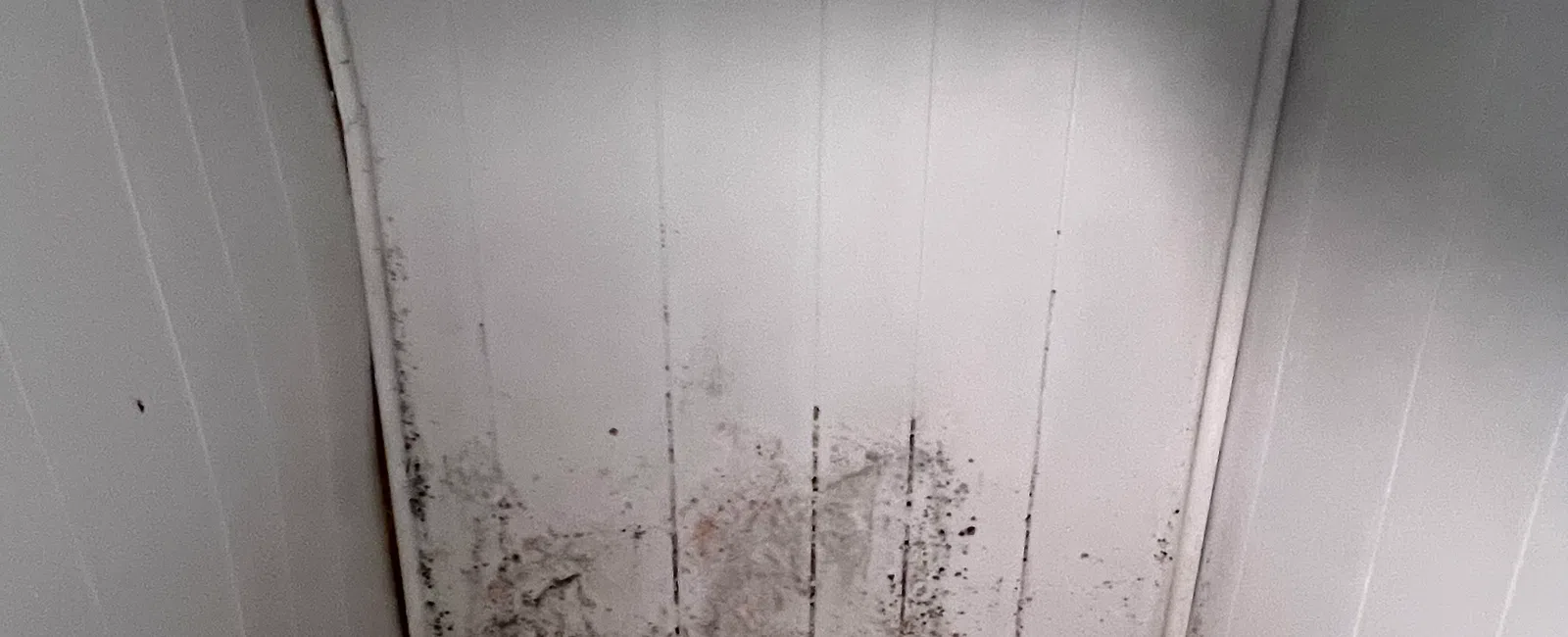
How fast does mold grow after water damage? According to the U.S. EPA, drying water-damaged materials and areas within 24 to 48 hours helps prevent mold growth. After that window, wet drywall, carpet, and wood can start growing mold, so what you do in the first two days matters most.
Fall in Pittsburgh brings heavy rain and leaf-clogged gutters, which push water against foundations and into basements. Later in the season, sump pumps get overworked and pipes can freeze and burst. Carnegie, where our team is based, knows this well. When the remnants of Hurricane Ivan hit in September 2004, Chartiers Creek badly flooded Carnegie, and the cleanup that followed showed how quickly wet homes can turn into mold problems.
Whether you are dealing with a flooded basement, a storm leak, or a burst pipe, here is what to do and what to avoid.
How fast does mold grow after water damage?
Mold spores are already present in most indoor and outdoor air. They only need moisture and something to feed on, like drywall paper, wood, carpet, or cardboard. Once materials stay wet, the clock starts.
Timeline |
What typically happens |
|---|---|
First few hours |
Water soaks into carpet, drywall, and wood. Humidity in the space rises. |
24 to 48 hours |
This is the EPA's window for drying materials to help prevent mold. Musty odors may begin. Materials that are still wet are at risk. |
Days to weeks |
Mold growth may become visible on walls, baseboards, carpet pad, and stored items. Odors get stronger, and wood and drywall can start to break down. |
Temperature, material type, and the amount of water all affect the pace, so treat the first 48 hours as urgent.
What should you do in the first 48 hours after water damage?
Follow these steps in order. Safety comes before everything else.
- Stay safe around electricity. Do not walk into standing water if outlets, cords, or appliances may be underwater. If it is safe to reach your breaker panel, shut off power to the affected area. If not, call your utility company or an electrician.
- Stop the source. Shut off the main water valve for a burst pipe. For storm water, clear downspouts and gutters once the weather is safe, and check whether your sump pump is running.
- Document everything. Take photos and videos of the water, the damage, and your belongings before you move anything. This helps with an insurance claim.
- Remove standing water. Use a wet vac or pump for small amounts. If you need water extraction, call a water damage company first, then have us check for mold.
- Move belongings out of the wet area. Get furniture, electronics, rugs, and boxes to a dry space.
- Start drying right away. Run dehumidifiers and fans, and open windows if the air outside is drier than inside. The U.S. EPA recommends keeping indoor humidity between 30 and 50 percent, ideally below 60 percent.
- Remove wet porous items. Carpet pad, cardboard, paper, and soaked upholstery are hard to dry. Wet carpet pad usually needs to come out, even if the carpet on top can be saved.
- Call your insurance company. Report the damage early and ask what they need from you. Policies vary, so review your own coverage and talk with your agent.
- Call a mold professional. Once the water is out, have someone check for hidden moisture in walls, floors, and cavities that look dry on the surface.
What should you avoid after a flood or leak?
- Do not rely on bleach for porous surfaces. Bleach does not soak into drywall or wood the way moisture does, and the EPA does not recommend it as a routine mold solution. Porous materials with mold often need to be removed.
- Do not seal wet walls. Painting over stains, installing new drywall, or putting carpet back down before everything is fully dry traps moisture inside.
- Do not run your HVAC system if ducts got wet until they have been checked. Wet or contaminated ducts can spread moisture and spores through the house. We also offer air duct cleaning and are a NADCA member.
- Do not assume "it looks dry" means it is dry. Framing, subfloors, and wall cavities can hold water long after surfaces feel dry.
- Do not ignore a musty smell. It is often the first sign of mold growing where you cannot see it.
What about mold after basement flooding?
Basements are one of the most common places we find mold after water damage in the Pittsburgh area. Many homes here have stone or block foundations, finished basements, and boxes stored right on the floor.
After basement flooding, pay close attention to:
- The bottom 2 feet of finished walls and the baseboards behind them
- Carpet pad and any padding under laminate flooring
- Cardboard boxes, stored paper, and fabric items
- Wood framing and stair stringers
- The area around the sump pit and floor drains
Our basement mold remediation service is built for these situations, and our team knows the foundations common to Carnegie, Bridgeville, and Scott Township homes.
What about mold after a storm or roof leak?
Storm damage often shows up upstairs first. A roof leak can wet attic insulation, ceiling drywall, and wall cavities without much visible water. Watch for ceiling stains, sagging drywall, bubbling paint, and damp insulation in the attic.
Does insurance cover mold after water damage?
It depends on your policy and the cause of the water. Sudden events like a burst pipe are handled differently than long-term leaks or flooding from outside, and many standard homeowners policies limit mold coverage. Review your own policy, talk with your agent, and check the Pennsylvania Insurance Department for consumer resources. Our homeowners insurance and mold blog covers this in more detail. This is general information, not legal or insurance advice.
How does Mold Medics help after water damage?
Mold Medics Pittsburgh focuses on mold testing and mold remediation. During a free visual mold inspection, we use thermal imaging and moisture meters to spot damp areas behind walls and under floors.
If remediation is needed, we follow our 6 Steps to Victory: Assess, Contain, Remove, Vacuum with HEPA filtration, Wipe Down, and Anti-Microbial Application. We use HEPA-filtered air scrubbers, electrostatic spraying, and EPA-registered products that are safe for people and pets.
If anyone in your home has health concerns after water damage, talk with your doctor. Mold can trigger allergy symptoms in some people, according to the EPA and CDC.
Frequently Asked Questions
How fast does mold grow after water damage?
According to the U.S. EPA, drying water-damaged materials within 24 to 48 hours helps prevent mold growth. After that, mold can begin growing on materials that stay wet. Visible growth may appear within days to weeks depending on conditions.
Can I stop mold if I dry everything quickly?
Fast drying is the best way to lower your risk. Remove standing water, run dehumidifiers and fans, and pull out wet porous items like carpet pad and cardboard. Hidden moisture in walls and floors can still cause problems, so a professional moisture check is a good idea.
Should I use bleach to clean mold after a flood?
Bleach is not a good choice for porous materials like drywall, wood, or carpet. Moldy porous materials often need to be removed instead of cleaned. For larger areas, call a mold remediation professional.
Do you remove water from flooded basements?
Mold Medics focuses on mold testing and mold remediation. If you need water extraction, call a water damage company first, then have us check for mold once the water is out.
Is it safe to turn on my furnace after a basement flood?
Wait until the furnace and any wet ductwork have been checked by a qualified professional. Running a system with wet ducts can spread moisture and spores through your home.
Call Mold Medics Pittsburgh Today
Once the water is out, our team will check for hidden moisture and mold so small problems do not turn into big ones. From our home base in Carnegie, we serve Bridgeville, Scott Township, Mt. Lebanon, Bethel Park, and communities across the Pittsburgh area, and we kick mold butt fast.
Call 412-447-5582 to schedule your free visual mold inspection. Protecting Your Homefront From Mold.