
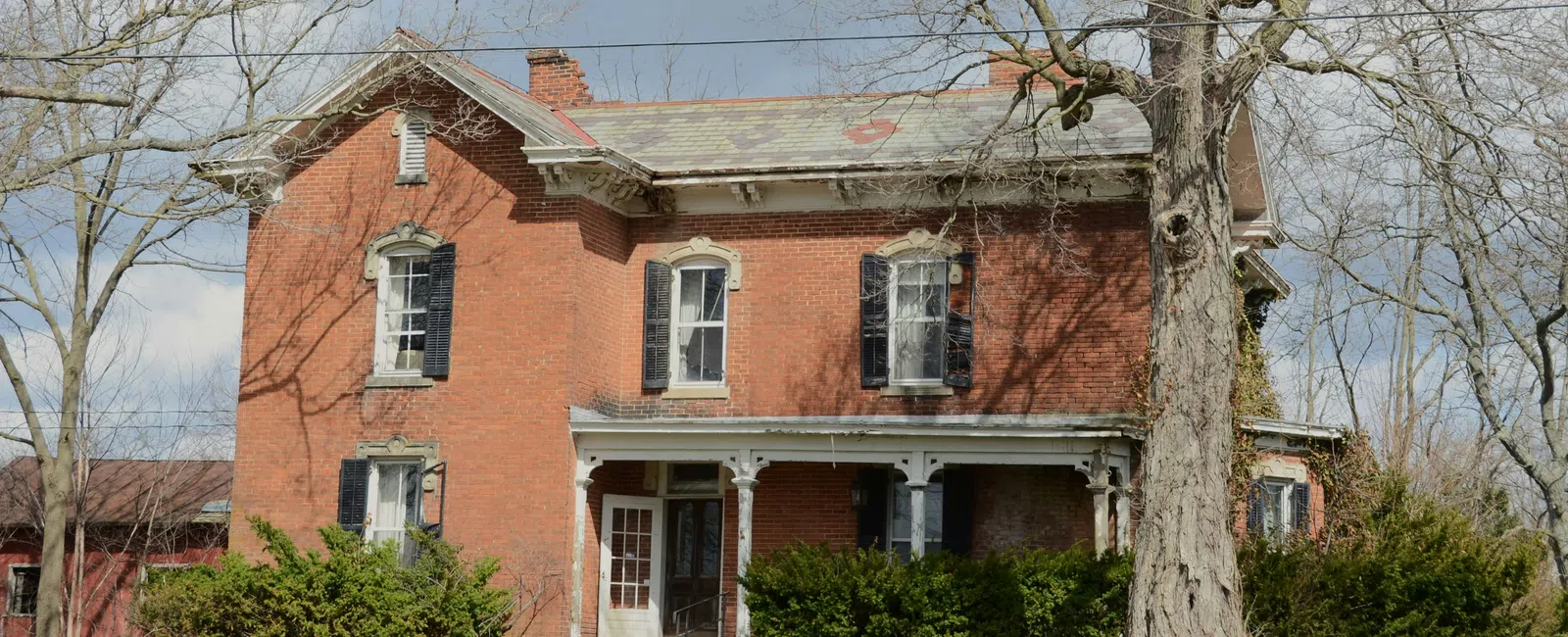
Mold in old houses usually hides where moisture collects and nobody looks: damp stone or block foundations, the back side of plaster walls, poorly vented attics, old window sills, and bathrooms without exhaust fans. A fall walk-through before the heat comes on helps you catch musty odors, stains, and bubbling paint while problems are still small.
Pittsburgh has a lot of older homes. Walk through Squirrel Hill, Shadyside, Carnegie, or Wilkinsburg and you will see stone foundations, plaster walls, and attics built long before anyone talked about ventilation. Add wet falls, leaf-clogged gutters, and freeze-thaw winters, and mold has plenty of chances to start.
October is a smart time to check. Furnaces start running, windows close, and trapped moisture stays put all winter. Here is the room-by-room checklist our team uses in older homes across the Pittsburgh area.
Why do older homes get mold more often?
- Foundations were not waterproofed the modern way. Stone and early block walls let groundwater wick through, especially after heavy rain.
- Ventilation was an afterthought. Many bathrooms and kitchens were built without exhaust fans, and attics often have limited venting.
- Plaster and lath hide moisture well. Plaster can stay firm on the surface while the wood lath behind it stays damp.
According to the U.S. EPA, the key to mold control is moisture control. Mold needs a damp surface and something to feed on, and older homes offer both in spots you might not think to check.
Where should you look for mold in an older Pittsburgh home?
Grab a flashlight, start at the bottom of the house, and work up. Use your nose too. A musty smell is often the first clue.
Stone and block foundations and basements
Stone foundation mold is one of the most common calls we get. Look for white, chalky deposits (efflorescence). That mineral residue is not mold, but it tells you water is moving through the wall. Then check nearby wood framing, stored boxes, and the bottom of finished basement walls for fuzzy or dark growth, especially after heavy rain.
Plaster walls and ceilings
Mold behind plaster walls is tricky because the surface can look fine. Watch for
- Yellow or brown water stains, especially under bathrooms or near the roofline
- Paint that bubbles, peels, or looks blistered
- Soft spots or cracks that feel damp to the touch
Attics
Attic mold often shows up as dark staining on the underside of the roof sheathing. Common causes include small roof leaks, bathroom fans that vent into the attic instead of outside, and blocked soffit vents. In winter, warm moist air from the living space can rise into a cold attic and form frost or condensation on the sheathing. When it melts, the wood gets wet over and over. Frost or wet nails on a cold morning signal a moisture problem.
Old windows and sills
Older wood windows collect condensation on cold days. Check for black spots on sills, peeling paint, and soft wood, especially behind curtains.
Bathrooms without exhaust fans
If your bathroom relies on a window for ventilation, steam has nowhere to go once it gets cold. Check the ceiling above the shower, caulk lines, and the wall behind the vanity.
Kitchens
Check under the sink, behind the refrigerator, and around the dishwasher. Older plumbing can leak slowly for years.
Crawl spaces and enclosed porches
Many older homes have a crawl space under an addition or a closed-in porch with bare soil and little airflow. Look for damp soil, musty smells, and growth on floor joists.
Old ductwork
Ducts often run through damp basements or crawl spaces. A musty smell when the furnace kicks on is worth a closer look. Our team handles air duct cleaning and is a NADCA member.
Quick reference: warning signs by area
Area |
Warning signs |
Common moisture source |
|---|---|---|
Stone or block foundation |
White mineral deposits, damp walls, musty smell |
Groundwater, poor grading, clogged gutters |
Plaster walls and ceilings |
Water stains, bubbling or peeling paint |
Roof leaks, plumbing leaks, condensation |
Attic |
Dark stains on sheathing, frost or wet nails in winter |
Roof leaks, bath fans venting into attic, poor venting |
Windows and sills |
Black spots, soft wood, peeling paint |
Condensation on cold glass |
Bathroom |
Spots on ceiling, stained caulk, lingering odor |
Shower steam with no exhaust fan |
Crawl space or porch |
Damp soil, growth on joists, musty air |
Bare soil, poor airflow |
Ductwork |
Musty smell when heat starts |
Ducts running through damp spaces |
Should you open up walls to check for mold?
No. Please do not tear into plaster, old flooring, or ceilings yourself. Older homes can contain lead paint or asbestos in some materials, and disturbing them can release hazardous dust. Opening a wall can also spread mold spores into clean rooms.
Instead, take photos and have a professional look. During our free visual mold inspection, we use thermal imaging and moisture meters to find damp areas behind surfaces without opening them up. If we suspect a hazardous material, we will tell you so it can be tested first.
What can you do this fall to keep mold out?
A few simple steps go a long way before winter settles in:
- Clean your gutters after the leaves drop so water flows away from the foundation.
- Run a dehumidifier in the basement. The U.S. EPA recommends keeping indoor humidity between 30 and 50 percent, and ideally below 60 percent.
- Make sure bath fans vent outside, not into the attic.
- Use exhaust fans or crack a window when showering and cooking.
- Fix small leaks quickly, even slow drips under sinks.
- Store items in plastic bins off basement floors and away from exterior walls.
When is it time to call a mold professional?
Call a professional if you smell mustiness that will not clear, see growth larger than a small patch, notice repeated stains, or have water that keeps coming back. If anyone in your home has health concerns, talk with your doctor, since mold can trigger allergy symptoms in some people.
When we remediate, we follow our 6 Steps to Victory: Assess, Contain, Remove, Vacuum with HEPA filtration, Wipe Down, and Anti-Microbial Application. We use HEPA-filtered air scrubbers and EPA-registered products that are safe for people and pets. For basements specifically, our basement mold remediation service is built around the moisture problems older foundations tend to have.
Frequently Asked Questions
Is mold common in old houses?
Yes. Older homes often have less waterproofing, fewer exhaust fans, and more hidden leak points. Stone foundations, plaster walls, and attics are frequent trouble spots, and moisture control is the best prevention.
How do I know if there is mold behind plaster walls?
Watch for water stains, bubbling or peeling paint, soft spots, and a musty smell that lingers in one room. A professional can use moisture meters and thermal imaging to check without opening the wall.
Is white powder on my stone foundation mold?
Often it is efflorescence, a mineral deposit left behind when water moves through masonry. It is not mold, but it shows the wall is getting wet, which can lead to mold on nearby materials. If it looks fuzzy, have it checked.
Why does my attic have frost in the winter?
Warm, moist air from your living space can leak into a cold attic and freeze on the roof sheathing. Bath fans venting into the attic make it worse, and repeated melting can lead to attic mold.
Can I remove mold in an older home myself?
You may be able to clean a very small surface spot. For anything larger, or anything that means opening walls, ceilings, or floors, call a professional because of possible lead paint or asbestos.
Get a Free Visual Mold Inspection for Your Older Home
From our home base in Carnegie, we serve Squirrel Hill, Shadyside, Mt. Lebanon, Sewickley, Fox Chapel, and neighborhoods across the Pittsburgh area. When mold turns up, we kick mold butt fast.
Call Mold Medics Pittsburgh at 412-447-5582 to schedule your free visual mold inspection. We will check the spots that matter most in older houses and give you clear next steps. Protecting Your Homefront From Mold.