
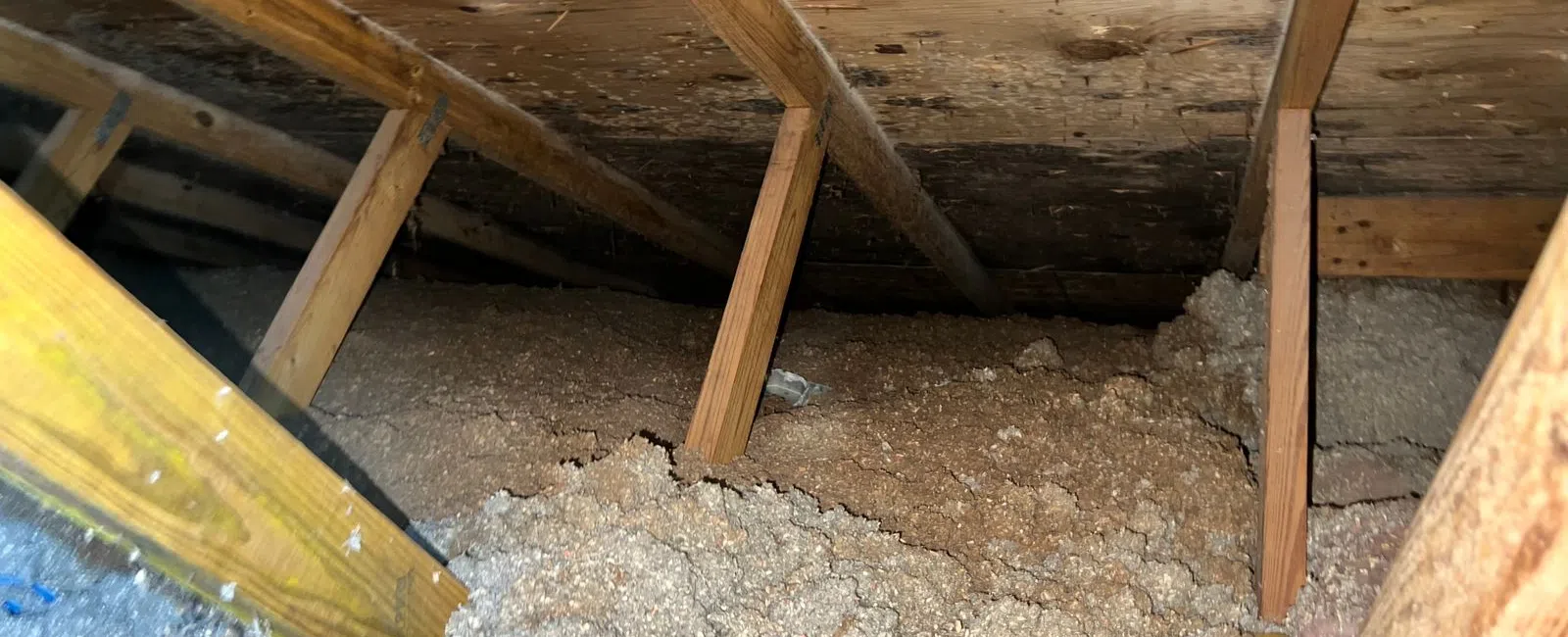
Old insulation needs to go when it is wet, matted down, pulled out of place, nested in by animals, or sitting near visible mold growth, or after a roof leak has soaked it. Age alone is rarely the reason. Dry, evenly spread insulation that is still doing its job can often stay right where it is. Plenty of homes around Pittsburgh have attics and crawlspaces that nobody has looked at in years. Whether you live in Mt Lebanon, Squirrel Hill, Bridgeville or Shadyside, the area is full of older houses, from homes with plaster walls and stone or block foundations to brick row houses that share a wall with the place next door. Each kind of home has its own spots where insulation can quietly get wet or worn out. Mold Medics Pittsburgh works out of Carnegie and serves homeowners from Sewickley and Moon to Monroeville, Canonsburg and Cranberry Township. Mold Medics Pittsburgh handles insulation removal and replacement along with mold remediation, so we see both sides of the question: insulation that should come out, and insulation that is just fine.
Does insulation wear out just because it is old?
Not by itself. Insulation that has stayed dry, stayed in place and has not been disturbed can keep doing its job for a long time. The year your house was built is not a reason on its own to tear everything out. What matters is condition. Insulation works by filling a space evenly. When it gets wet, crushed, shifted or contaminated, it stops filling that space the way it should, and that is when replacement starts to make sense.
What are the signs old insulation needs to be replaced?
Most of the reasons come back to moisture, damage or contamination. Here is what we look for when we are up in an attic or down in a crawlspace.
- It is wet or has been wet. Water stains, clumping, a damp feel or a musty odor all point to moisture. Porous insulation that stays wet does not bounce back well.
- It is compressed or matted. Insulation that has been stepped on, had boxes stacked on it, or flattened by an old leak no longer fills the space evenly.
- It has been pulled out of place. Gaps where batts have slipped, insulation pushed away from the edges by a past repair, or bare spots near the attic hatch leave parts of the house uncovered.
- Animals have nested in it. Tunnels, flattened nests, chewed material and droppings mean the insulation is damaged and soiled. That material usually comes out.
- There is visible growth on it or on the wood nearby. Dark spotting on roof sheathing, rafters or joists, or discoloration on the insulation itself, tells you moisture has been sitting there.
- A roof leak has soaked it. Even after the roof is fixed, the insulation under the leak may hold water and stain the ceiling below.
When is it fine to leave old insulation alone?
If the insulation is dry, evenly spread, free of stains and odor, and there is no sign of animals or growth on the wood around it, you can usually leave it. Some homeowners choose to add more for comfort, and that can be fine on top of insulation that is in good shape. A small area that got slightly damp from a leak that was fixed right away may only need to dry out. The EPA notes that if wet materials are dried within 24 to 48 hours of a leak, in most cases mold will not grow. The key word is small. If you are not sure how long it stayed wet, have it checked.
Keep it or replace it: a quick comparison
Signs you can likely keep it:
- Dry to the touch, with no stains or clumps
- Even depth across the space, with no bare spots
- No musty odor in the attic or crawlspace
- No tunnels, nests or droppings
- Clean, dry wood around and above it
Signs it should be replaced:
- Wet, stained, clumped or holding moisture
- Compressed, matted or pushed out of place
- A lingering musty odor
- Animal nesting, chewing or droppings
- Visible growth on the insulation or nearby framing, or soaking from a roof leak
The takeaway: condition decides, not age, and any sign of moisture or growth means it is time to look closer.
Why does wet or moldy insulation usually have to come out?
Most insulation in attics and walls is porous. It soaks up water and holds it against the wood around it. The EPA says absorbent or porous materials, such as ceiling tiles and carpet, may have to be thrown away if they become moldy. EPA guidance on water damage cleanup also lists "discard and replace" as the step for wet fiberglass and cellulose insulation. Every situation is a little different, but in practice insulation that has been soaked or has growth on it usually comes out rather than being cleaned in place.
What is the right order for removing and replacing insulation?
Order matters. Doing these steps out of sequence is how a problem comes right back after the new insulation goes in.
- Fix the moisture source. That might be a roof leak, a bathroom fan venting into the attic, a plumbing drip or a damp crawlspace. If the water keeps coming, nothing else lasts.
- Remove the damaged insulation. Wet, matted, nested or moldy material comes out and is bagged and hauled away.
- Clean and treat the wood. With the insulation gone, the rafters, joists and sheathing are easy to see. Any growth gets addressed using the same steps we use for mold remediation, and the wood has to be dry.
- Install new insulation. Only once the space is dry and clean does fresh insulation go in.
That order lines up with the EPA's basic advice: if there is mold growth in your home, clean up the mold and fix the water problem.
Can you just add new insulation on top of the old?
Over dry, clean insulation in good shape, sometimes yes. Over damaged insulation, no. Piling new material on top of wet, moldy or animal-soiled insulation buries the problem instead of solving it. The old material keeps holding moisture against the ceiling and framing, and now you cannot see it. Any odor tends to stay. And when someone does finally pull it out, there is twice as much to remove. It is better to deal with the damage first and start fresh.
What about older vermiculite insulation?
Some older homes have loose, pebble-like insulation that is usually gray-brown or silver-gold. That is likely vermiculite. The EPA advises homeowners to assume vermiculite contains asbestos, leave it undisturbed, and hire a professional asbestos contractor for any work that would disturb it. The same goes for any older insulation you suspect might contain asbestos. Have a qualified professional evaluate it before anyone moves it, including you.
Why do Pittsburgh-area homes run into insulation problems?
A lot of it comes down to the houses and the weather. Western Pennsylvania has many older homes, and the region's mix of humid summers, wet falls and snowy winters gives moisture plenty of chances to get inside.
- Hillside lots. On homes built into a slope, which you see all over the region, water tends to run toward the uphill side of the foundation and can keep crawlspaces and lower levels damp.
- Stone and block foundations. These older foundations can let moisture through, and insulation in crawlspaces or rim areas near them can stay damp.
- Brick row houses with shared walls. In city neighborhoods, a leak at a shared roofline or wall can show up on your side even if it started next door.
- Plaster walls. Plaster can hide what is going on behind it, so a slow leak into a wall cavity may not show for a while.
- Freeze-thaw winters. Repeated freezing and thawing is hard on roofs, flashing and gutters, which can open up spots for water to reach attic insulation.
Fall is a good time to take a look. Checking your attic and crawlspace before winter gives you time to fix a leak and replace damaged insulation before the snow comes.
How can you check your own attic or crawlspace?
You do not need special tools for a first look. Bring a flashlight, step only on the framing, and take a few photos.
- Look for stains on the underside of the roof deck and on rafters, especially near chimneys, vents and valleys.
- Check whether the insulation is evenly spread or has bare spots, low areas or clumps.
- Notice any musty odor as you open the hatch.
- Look for droppings, tunnels or chewed material.
- Check around bathroom fan ducts to see if they actually vent outside.
If something looks off, do not dig around in it. Take your photos and let a professional check the space with the right tools.
What happens when Mold Medics Pittsburgh checks your insulation?
We start with a free visual mold inspection using a thermal imaging camera and a moisture meter. Those tools help us see where moisture is sitting in the insulation and framing, even when it is not obvious to the eye. If there is mold to address, we follow our 6 Steps to Victory: Assess, Contain, Remove, Vacuum with HEPA equipment, Wipe Down, and Anti-Microbial Application. Containment uses HEPA air scrubbers to keep the work area separated from the rest of your home. Once the space is clean and dry, the insulation can be replaced. If your insulation is in good shape, we will tell you that too. Not every attic needs a full tear-out.
Ready to find out if your insulation needs to go?
If you have noticed stains, odors, flattened insulation or signs of animals in your attic or crawlspace, it is worth getting a clear answer before winter sets in. Book a free visual mold inspection with Mold Medics Pittsburgh.