
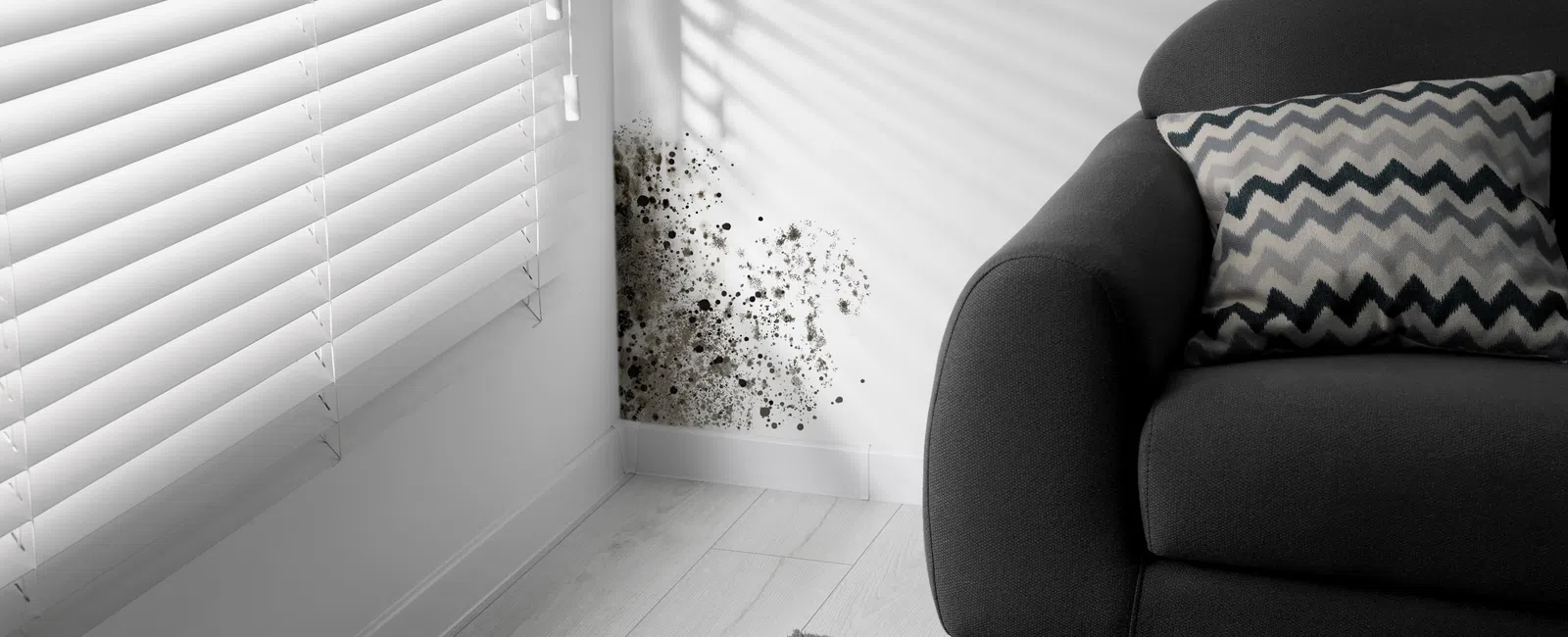
Jacksonville homeowners are used to humidity. What is less obvious is how that outdoor moisture can affect the inside of a house. Mold does not grow simply because Florida feels humid, but high moisture makes it easier for small building problems to turn into recurring dampness.
The key is not the weather report by itself. The key is what happens when humid air, cold surfaces, air-conditioning, leaks, and building materials interact inside your home.
Humidity becomes a problem when materials stay damp
Mold needs moisture and a food source. Homes already contain plenty of materials that can support growth when they stay damp, including paper-faced drywall, wood, dust, fabric, and some insulation products.
A short burst of humidity is different from repeated dampness. Problems develop when a surface keeps collecting moisture, a leak is not dried quickly, or indoor humidity remains elevated long enough for materials to absorb water.
Air-conditioning changes the moisture picture
Your AC system does more than cool the house. It also removes moisture from indoor air while it is running. When the system is working properly and is appropriately sized for the home, that dehumidification helps keep indoor conditions more comfortable.
Problems can show up when condensate drains clog, pans overflow, ducts sweat, insulation is damaged, or humid outdoor air leaks into an area near cold ductwork. A vent that repeatedly leaves a wet ring on the ceiling is not something to treat as normal just because it is hot outside.
Condensation can create a very local mold problem
You can have a moisture problem in one small area even when the rest of the home feels fine. Warm humid air that reaches a cold surface can condense into liquid water. That can happen around supply vents, chilled pipes, poorly insulated ducts, or certain wall and ceiling surfaces.
Because the moisture is localized, a thermostat or humidity reading in another room may not tell the whole story. The surface itself can be wet enough to create a problem while the average indoor condition looks acceptable.
Humidity can be different from one room to the next
A whole-house humidity reading is helpful, but it is still an average. A closed guest room, a crowded closet on an exterior wall, or a bathroom with weak exhaust can hold more moisture than the hallway a few feet away. Furniture pushed tightly against a wall can also limit air movement and create a cooler pocket where dampness lingers.
That is why we pay attention to rooms that feel different from the rest of the home. If one space consistently smells musty, feels clammy, or shows condensation while the rest of the house feels comfortable, the local condition matters. Opening the door for a day may make the symptom disappear, but it does not necessarily explain why that space behaves differently.
Storage can make these pockets harder to notice. Boxes, clothing, and furniture can hide the first signs of dampness and reduce airflow along a wall. If you find spotting or odor only after moving stored items, check the wall and the materials behind those items for a moisture source instead of assuming the storage itself caused the problem.
Heavy rain exposes weak points in the building
Jacksonville storms can test roofs, flashing, windows, doors, siding, and exterior penetrations. Some leaks are obvious. Others only appear during wind-driven rain or when water approaches the building from a certain direction.
A stain that appears after one storm and then dries can be easy to dismiss. If it returns after the next heavy rain, document when it happens and get the source checked. Repainting the spot may hide the evidence you need to track the leak.
Small leaks matter because Florida weather gives them repeated chances
A minor roof or window leak may not soak a room all at once. It may add a little moisture during each storm and then partially dry. Over time, that repeated wetting can be harder on drywall, insulation, wood, and trim than one visible spill that gets cleaned up immediately.
Jacksonville weather can also hide the timing of a problem. A wall may look dry by the time you notice it, even though the cavity behind it stayed damp much longer. If the same area stains, swells, or smells different after storms, the repeat pattern is more useful than the fact that the surface feels dry today.
Bathrooms, laundry rooms, and kitchens add moisture too
Outdoor humidity is only part of the load. Showers, cooking, drying clothes, and everyday household activity all release moisture indoors. Exhaust fans, dryer venting, and normal airflow help move that moisture out.
A bathroom that stays damp for hours, a dryer that vents poorly, or a laundry room with a small supply line leak can create a concentrated moisture issue. These are often easier to correct early than after drywall, cabinets, or flooring have been repeatedly exposed.
Closed rooms and closets deserve attention
Rooms with limited air movement can behave differently from the rest of the house. Closets on exterior walls, guest rooms that stay closed, and storage spaces packed tightly with belongings can trap humid air and make it harder for surfaces to dry.
You do not need to keep every door open all day, but recurring odor, damp fabrics, condensation, or spotting in a closed space is a signal to look at airflow and moisture instead of simply cleaning the surface.
Ways to make your home less mold-friendly
The best prevention steps are not complicated. Keep roof and plumbing leaks from lingering. Maintain the AC system and condensate drain. Use bathroom and kitchen exhaust fans as intended. Make sure the dryer vents outdoors. Pay attention to recurring condensation. Dry wet materials promptly after a leak.
How to tell whether moisture control is actually working
Do not judge the home only by how cool it feels. A room can be comfortable and still have a moisture problem on a specific surface. Watch for condensation, damp window frames, swelling trim, recurring odor, or fabrics that feel clammy after the room has been closed. Those clues tell you more than temperature alone.
If you use a portable humidity monitor, move it between rooms instead of leaving it in one central location forever. Compare a problem room with the main living area, and pay attention to what happens after showers, cooking, storms, or long AC cycles. The goal is not to chase one perfect number. The goal is to notice whether certain spaces repeatedly stay wetter than the rest of the house and then correct the reason.
For homes that struggle with indoor humidity, a properly selected dehumidifier can also help. Moisture control works best when it is paired with fixing the source instead of being used to compensate for an active leak.
Humidity control does not remove existing mold
Lowering humidity is useful for prevention, but it is not the same as remediation. If mold is already growing on drywall, wood, insulation, or another material, the affected area still needs to be evaluated and cleaned or removed appropriately.
If your Jacksonville-area home has visible growth, a persistent musty odor, recurring condensation, or water damage that never seemed to dry correctly, call us at 904-395-7463. We can help you determine whether you are dealing with a moisture-control issue, a remediation project, or both.
Frequently Asked Questions
Is Jacksonville humidity alone enough to cause mold? Humidity increases the moisture load, but mold growth depends on whether materials become and remain damp. A well-maintained, dry home can handle humid weather much better than a home with leaks, condensation, or poor moisture control.
Will running the AC colder prevent mold? Not necessarily. Lower temperatures can increase condensation on some surfaces, and an AC system has to operate correctly to manage moisture. The goal is balanced temperature and humidity control, not simply setting the thermostat as low as possible.
Does a dehumidifier fix a leak? No. A dehumidifier can remove moisture from the air, but it does not repair the source of water. Active roof, plumbing, drainage, or HVAC problems still need to be corrected.