
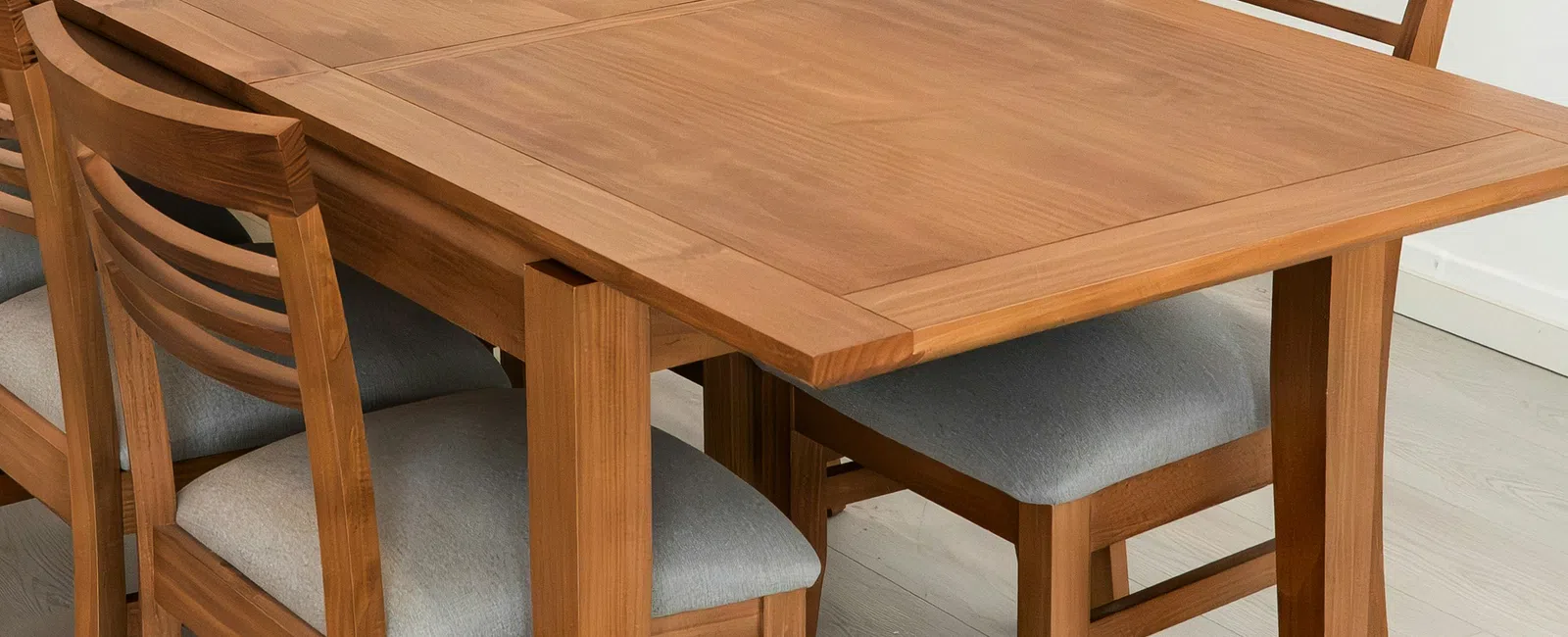
Often, yes. Wood furniture with a hard, sealed finish can usually be saved by scrubbing the surface with detergent and water and drying it completely. Porous, absorbent items such as cardboard boxes, upholstery and unfinished particleboard may have to be thrown away if they become moldy, according to the EPA. Fix the dampness first.
By September, a Pittsburgh basement has been through a long, humid summer. The windows were shut, the AC was running upstairs and the lower level quietly soaked up moisture day after day. Then you go down to grab something from the back shelf and notice a white haze on grandma's dresser, green spots on the side of a bookcase or a box that smells stale the moment you lift the lid.
That moment can feel overwhelming, especially when the things in question carry memories. The good news is that a lot of it can be saved. This guide walks you through how to check what you have, how to sort it into "clean it" and "let it go," how to dry things out and how to store them so you are not back here next September.
Why does furniture in the basement grow mold after summer?
Mold needs moisture, and basements are where moisture likes to settle. The EPA says the key to mold control is moisture control, and a basement in the Pittsburgh area gets moisture from a few directions at once:
- Humid summer air. Warm, damp air drifts down and settles in the coolest part of the house.
- Cool surfaces. Basement walls and floors stay cooler than the air, so moisture can condense on them and on anything pressed against them.
- Foundation seepage. Older stone and block foundations and homes built on hillside lots can let water in during heavy rain. The EPA advises that water seepage into basements should be stopped quickly so mold will not grow.
- Laundry. Many basements here double as the laundry area, which adds moisture to the air.
- Little air movement. Furniture pushed into corners and boxes stacked against walls sit in still, damp pockets.
Wood, paper and fabric all hold onto moisture. When they stay damp through a long humid stretch, growth can follow.
How do I check my basement furniture and shelving for mold?
Before you start cleaning anything, take a slow walk through the basement with a good flashlight. Check these places:
- The backs and undersides of furniture. Pull dressers, cabinets and bookcases a little away from the wall. The side facing the wall is often where growth starts.
- Legs and bottom edges. Anything sitting directly on a concrete floor can wick moisture up from below.
- Shelves, top and bottom. Look at the underside of each shelf and along the back panel, especially on bookcases and utility shelving.
- Picture frames and artwork. Check the front of the glass, the frame and the paper backing. Turn them over.
- Cardboard boxes. Look for soft corners, water lines, dark spots and a musty smell. Check the bottom box in each stack first.
- Inside drawers and cabinets. Open them. Closed spaces can hold damp air.
- The wall and floor behind everything. If the furniture has growth on the back, the wall behind it may too.
Signs to watch for include fuzzy or powdery spots (white, gray, green or black), a musty odor, water stains, warped panels, swollen particleboard and veneer that is lifting. Take photos as you go so you remember what you found and where.
What furniture and items can usually be cleaned?
The EPA recommends scrubbing mold off hard surfaces with detergent and water and drying them completely. The items most likely to be saved are the ones with hard, sealed surfaces that moisture did not soak into:
- Solid wood furniture with an intact finish. Varnish, lacquer or paint gives wood a sealed outer layer. When growth is on that surface, it can often be cleaned off.
- Metal shelving and metal furniture. Hard, nonporous and easy to scrub and dry.
- Plastic bins, plastic shelving and hard plastic storage. These can be washed and dried.
- Glass. Picture frame glass, glass shelves and glass cabinet doors clean up well.
- Sealed or finished wooden picture frames. If the frame is finished and the growth is on the surface, it is often worth saving the frame, even if the paper backing needs to be replaced.
A good rule of thumb: if the surface is smooth, sealed and solid, and the item is still sound (not swollen, soft or falling apart), it is a candidate for cleaning.
What may need to be thrown away?
The EPA notes that absorbent or porous materials may have to be thrown away if they become moldy. Mold can grow into the tiny spaces of these materials, which makes them hard to clean fully. Items in this group include:
- Cardboard boxes. Once cardboard is damp and spotted, it is usually best to transfer the contents and discard the box.
- Upholstered furniture and cushions. Fabric and foam soak up moisture and are hard to dry completely.
- Particleboard and pressboard furniture. Inexpensive bookcases and shelving made from compressed wood fibers often swell and break down when they stay damp.
- Unfinished wood. Raw wood shelves and crates absorb moisture more easily than finished wood.
- Paper items. Paper picture backings, mats, loose papers and books with visible growth are difficult to restore.
- Rugs, fabric and stored linens with growth. Absorbent and difficult to dry thoroughly.
For items with sentimental value, such as old photographs, documents or family pieces, it may be worth talking with a professional who specializes in restoring that kind of item before deciding. For everyday storage items, replacing them is often simpler than trying to rescue them.
How do I clean mold off wood furniture and shelving?
For small areas on hard, sealed surfaces, here is a straightforward approach that follows EPA guidance:
- Fix or reduce the moisture first. Cleaning without addressing the dampness means the growth is likely to return.
- Move the piece to a dry, well-ventilated spot. A garage with the door open or a dry room with a window works well. Avoid dragging moldy items through living spaces when you can.
- Scrub with detergent and water. Use a soft brush or cloth so you do not damage the finish. Work on one section at a time.
- Wipe with clean water. Remove soapy residue with a damp cloth.
- Dry completely. Use towels, then let the piece air out with good airflow. A fan helps.
- Check again in a few days. Look for any spots that come back, especially on the back and underside.
A few cautions. The EPA does not recommend chemicals that kill mold, such as chlorine bleach, as a routine practice during mold cleanup. Do not paint or varnish over moldy wood, since the EPA advises against painting or caulking over moldy surfaces. And keep the size in mind: the EPA notes that mold areas under about 10 square feet can usually be handled by the homeowner. If the growth covers more than that, or it is on the walls and floor around the furniture too, it is a good time to get help.
How do I dry out my basement and keep stored items safe?
Once you have sorted and cleaned, the next step is making the basement a better place for your belongings. These steps make the biggest difference:
- Get things off the floor. Use shelving, pallets or furniture risers so nothing sits directly on concrete.
- Move items away from walls. Leave a gap of a few inches between furniture, shelving and the foundation walls so air can move behind them.
- Switch to plastic bins with lids. They hold up far better than cardboard in a damp basement.
- Watch the humidity. The EPA recommends keeping indoor humidity below 60 percent, ideally 30 to 50 percent. A hygrometer tells you where your basement stands.
- Dry spills and leaks fast. The EPA recommends drying wet materials within 24 to 48 hours to help prevent mold growth.
- Keep the dryer venting outside. The EPA recommends venting clothes dryers to the outside where possible, since an improperly vented dryer raises room humidity.
- Stop water at the source. If water seeps in during storms, address that seepage quickly, as the EPA advises, before restocking the shelves.
- Check twice a year. A quick look in late summer and again in spring catches small problems early.
When should I call a professional?
Sometimes the moldy dresser is a sign of something bigger. It makes sense to bring in help when:
- Growth covers more than about 10 square feet, or shows up on many items at once.
- The wall, floor or ceiling behind your furniture has growth too.
- The musty odor stays after you remove and clean the affected items.
- Items keep growing mold again after cleaning.
- You are not sure where the moisture is coming from.
Moldy furniture: myth vs. fact
Myth: If furniture has mold on it, it all has to go.
Fact: Hard, sealed surfaces can often be cleaned. The EPA recommends scrubbing hard surfaces with detergent and water and drying them completely. Porous items are the ones that may need to be thrown away.
Myth: Bleach is the best way to clean moldy wood.
Fact: The EPA does not recommend chemicals that kill mold, such as chlorine bleach, as a routine practice during mold cleanup. Detergent, water and complete drying are the standard approach.
Myth: A fresh coat of paint or varnish will seal the mold in.
Fact: The EPA advises against painting or caulking over moldy surfaces. Clean and dry first, then refinish if needed.
Myth: Once the furniture is clean, the problem is solved.
Fact: If the basement stays damp, the growth will likely return. The EPA says moisture control is the key to mold control.
Frequently asked questions
Can you save wood furniture with mold on it?
Often, yes, if the wood has a sealed finish and the piece is still solid. Scrub the surface with detergent and water and dry it completely. Swollen particleboard or unfinished wood is harder to save.
Should I throw away moldy cardboard boxes?
Usually, yes. Cardboard is porous and absorbent, and the EPA notes these materials may have to be thrown away if they become moldy. Move the contents to clean plastic bins.
How far should I keep furniture from basement walls?
A few inches is enough to let air move behind it. Keeping items off the floor on shelves or risers also helps.
Why did my furniture get moldy if the basement never flooded?
Humid summer air and cool basement surfaces can keep wood and paper damp for weeks without any standing water. That steady dampness is often enough for growth.
How Mold Medics Pittsburgh can help
If you found mold on more than a few pieces of furniture, or the walls and floor around your stored items are showing spots too, we start with a free visual mold inspection. Using a thermal imaging camera and a moisture meter, we look for damp areas behind and around your belongings and help you understand where the moisture is coming from. When remediation is needed, our 6 Steps to Victory process (Assess, Contain, Remove, Vacuum with HEPA equipment, Wipe Down and Anti-Microbial Application) handles the affected area, with HEPA air scrubbers running inside containment. Before you restock those shelves, book a free visual mold inspection with Mold Medics Pittsburgh.