
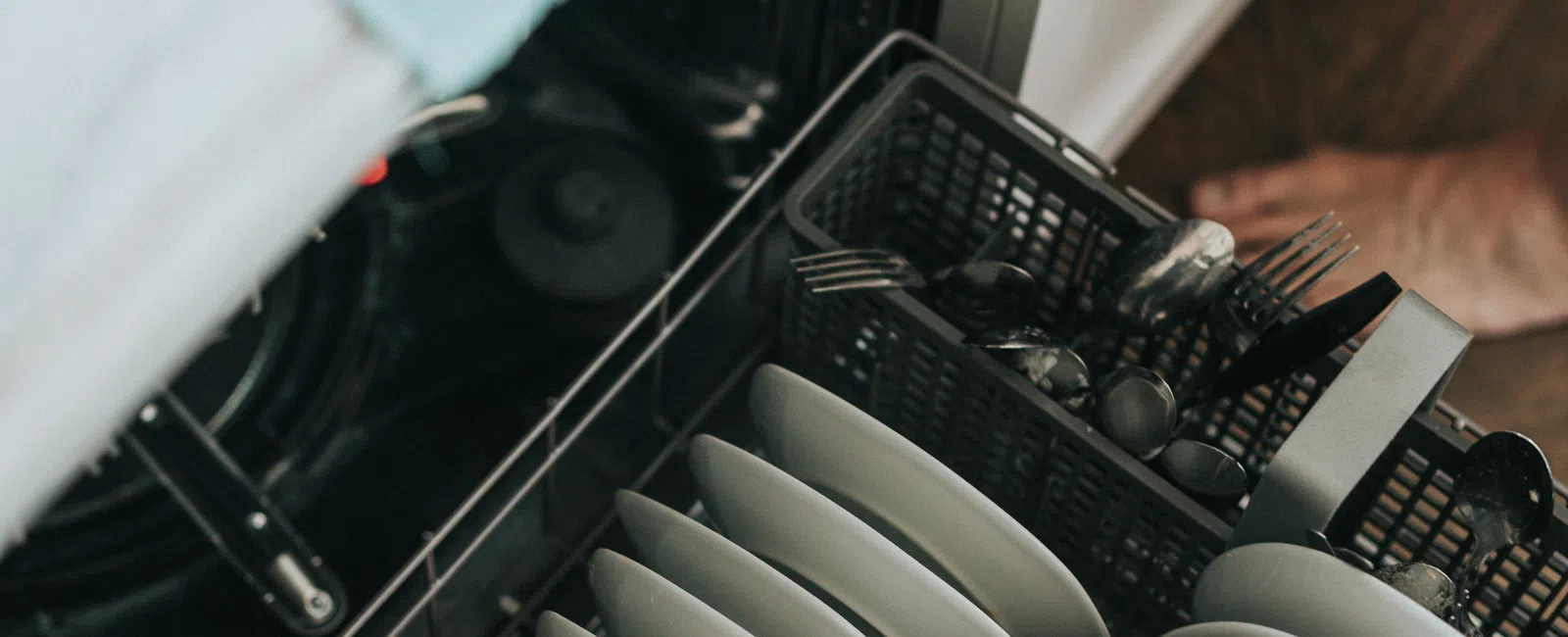
Kitchen mold usually hides where slow leaks stay out of sight: inside the sink cabinet, under the dishwasher, behind the refrigerator near the water line and drip pan, and at the back of cabinets on outside walls. A musty smell, a swollen cabinet floor or warped flooring near an appliance are the most common early clues.
September in Ann Arbor means the kitchen gets busy again. School lunches get packed before sunrise, the dishwasher runs every night (sometimes twice), pasta water boils on weeknights and the fridge door opens more times in a day than it did all week in July. A kitchen working that hard is a good thing. It also puts every plumbing connection, drain and appliance hose to work.
Most kitchen mold does not start with a flood. It starts with a drip you never see: a loose fitting under the sink, a dishwasher seal that weeps a little each cycle or an ice maker line that has been seeping behind the fridge since spring. Here is where to look, what the warning signs are and what to do when you find something.
Why does mold grow in kitchens when nothing looks wet?
Because the water is usually somewhere you are not looking. Kitchens have more water connections than almost any other room: the faucet supply lines, the sink drain and disposal, the dishwasher supply and drain, the refrigerator water line and sometimes a filter or instant hot water unit under the sink.
A slow leak does not puddle on the floor. It soaks into the particleboard at the bottom of a cabinet, wicks into drywall behind an appliance or spreads under flooring where it stays damp for weeks. The EPA advises drying wet materials within 24 to 48 hours to help prevent mold growth. A hidden drip keeps the same spot wet day after day, so it never gets that chance.
Late summer adds to it. When the air is humid and the AC is still running, cold water lines and the cold surfaces around them can sweat, which adds a little more moisture inside closed cabinets.
Where should I look for hidden mold in my kitchen?
Start with the places where water and closed spaces meet. Grab a flashlight and check these spots:
- The sink base cabinet. Empty it out completely. Look at the cabinet floor for stains, swelling or a soft feel. Check the supply lines, shutoff valves, drain trap and disposal connections for drips or mineral crust.
- The dishwasher base. Pull off the kick plate at the bottom front of the dishwasher and shine a light underneath. Look for water, rust, stains or dark spots on the subfloor, and check the flooring right in front of the door for lifting or soft spots.
- Behind and under the refrigerator. If your fridge has an ice maker or water dispenser, the supply line behind it is a common leak point. Gently pull the fridge out and check the line, the wall behind it and the floor underneath.
- The refrigerator drip pan. Many refrigerators have a drain pan near the bottom, often behind the lower grille or accessed from the back. Water and debris sitting there can grow mold and give off a musty smell.
- Around the range hood. Look at the ceiling and upper cabinets near the stove for peeling paint, stains or spotting.
- The back of cabinets on exterior walls. Empty upper and lower cabinets that sit against an outside wall and look at the back panel and corners for spots or a damp, cool feel.
- Under the window over the sink. Check the sill, the wall below it and the back of the sink cabinet for staining where water may run down inside.
A musty smell when you open a cabinet door is worth paying attention to, even if everything looks clean.
How do I know if my refrigerator or dishwasher is leaking?
Appliance leaks are tricky because the appliance itself hides the evidence. Watch for these signs:
- Flooring changes. Vinyl or laminate that lifts, bubbles or separates at the seams near the dishwasher or fridge often means water is getting underneath.
- Soft or spongy floor. Press down with your foot in front of the dishwasher. If it gives, the subfloor may be wet.
- Stains on nearby cabinets. The side panel of the cabinet next to the dishwasher can show water lines or swelling along the bottom edge.
- A smell after the dishwasher runs. A musty or sour odor that shows up after a cycle can point to standing water below.
- Ice maker problems. If the ice maker makes less ice or the dispenser slows down, check the supply line for a kink or a slow leak.
- Water in the drip pan. The EPA recommends keeping drip and drain pans clean, flowing properly and unobstructed. A pan that is full, slimy or overflowing needs attention.
If you find a leak, shut off the water to that appliance and have the connection repaired before you clean anything else.
Does a range hood that does not vent outside cause mold?
It can add to the problem. Cooking puts a lot of moisture into the air, especially with pots of water boiling on busy weeknights. Some range hoods (often called recirculating or ductless hoods) filter grease and blow the air right back into the kitchen instead of sending it outside.
The EPA recommends venting moisture-generating appliances to the outside where possible. When steam stays in the room, it settles on the coldest nearby surfaces: the ceiling above the stove, the tops of upper cabinets and the outside wall behind them.
A few habits help:
- Use the hood every time you cook. Turn it on before the water boils, not after the kitchen is already steamy.
- Use lids on pots. Less steam escapes into the room.
- Clean the hood filter. A greasy filter moves less air.
- Check where it goes. If you are not sure whether your hood vents outside, look for a wall or roof cap on the outside of the house above the kitchen. If there is none, it likely recirculates.
- Watch your humidity. The EPA recommends keeping indoor humidity below 60 percent, ideally between 30 and 50 percent.
What should I do if my sink cabinet floor is swollen?
A swollen, bubbled or crumbling cabinet floor is one of the most common signs of a long, slow leak. Most sink base cabinets use particleboard or a similar pressed wood, which soaks up water and does not go back to flat once it swells.
Here is how to handle it:
- Find and fix the leak first. Check every connection under the sink with the water running. Run the disposal and the dishwasher while you watch, since some leaks only show up then.
- Dry it out right away. Empty the cabinet, leave the doors open and run a fan into it. The EPA advises drying wet materials within 24 to 48 hours.
- Look under the cabinet floor. If you can, check whether water got through to the subfloor or the wall behind the cabinet.
- Do not cover it up. Putting a liner, mat or new panel over a damp, stained cabinet floor hides the problem without fixing it. The EPA also advises against painting or caulking over moldy surfaces.
- Replace what cannot be cleaned. The EPA notes that absorbent or porous materials may have to be thrown away if they become moldy. Swollen particleboard with growth on it usually falls into that group.
Can I clean kitchen mold myself?
For small areas on hard surfaces, often yes. The EPA notes that mold covering less than about 10 square feet can usually be handled by the homeowner. Scrub hard surfaces with detergent and water, then dry them completely. The EPA does not recommend chemicals that kill mold, such as chlorine bleach, as a routine practice during cleanup. Most important, fix the moisture. The EPA puts it plainly: the key to mold control is moisture control.
It makes sense to call a professional when:
- The growth covers more than about 10 square feet.
- You find mold on the wall behind the fridge or dishwasher, or under the flooring.
- The cabinet floor or subfloor is soft or falling apart.
- A musty smell stays after the leak is fixed and the area is cleaned.
- You cannot find where the water is coming from.
Kitchen mold: myth vs. fact
Myth: If there is no puddle, there is no leak.
Fact: Slow kitchen leaks usually soak into cabinet floors, drywall and subfloors instead of pooling. Stains, swelling and a musty smell are often the only signs.
Myth: A swollen cabinet floor just needs a new shelf liner.
Fact: Swelling means water got in. Covering it hides the damage, and the EPA advises against painting or caulking over moldy surfaces.
Myth: Any range hood will clear the steam.
Fact: Some hoods only filter and recirculate. The EPA recommends venting moisture-generating appliances to the outside where possible.
Myth: Bleach is the best way to clean kitchen mold.
Fact: The EPA does not recommend chemicals that kill mold, such as chlorine bleach, as a routine practice. Detergent and water on hard surfaces, followed by thorough drying, is the standard approach for small areas.
Frequently asked questions
Where is the most common place for mold in a kitchen?
Inside the sink base cabinet is one of the most common spots, because it holds the most water connections in a closed, dark space. The area under the dishwasher and behind the refrigerator are close behind.
How often should I check under my kitchen sink?
A quick look every time you grab something from the cabinet is a good habit. A full check with the cabinet emptied a few times a year, especially after a busy season like back to school, helps catch slow leaks early.
Can a refrigerator drip pan grow mold?
Yes. Water and food debris can sit in the drip pan and grow mold, which can cause a musty smell near the fridge. Keep it clean and make sure it drains properly.
How fast does a kitchen leak need to be dried?
The EPA advises drying wet materials within 24 to 48 hours to help prevent mold growth. Fix the leak, open the cabinet and get air moving right away.
How Mold Medics Ann Arbor can help
If you have a musty smell in the kitchen, a swollen cabinet floor or a leak you found behind an appliance, we start with a free visual mold inspection. Using a thermal imaging camera and a moisture meter, we look for damp areas behind cabinets, under flooring and inside walls that you cannot see from the room, so you know where the moisture went. Mold Medics Ann Arbor also offers mold testing when there is a question a visual check cannot answer. When remediation is needed, our 6 Steps to Victory process (Assess, Contain, Remove, Vacuum with HEPA equipment, Wipe Down and Anti-Microbial Application) handles the affected area, with HEPA air scrubbers running inside containment and anti-microbial applied with an electrostatic sprayer. When your kitchen smells off and you cannot find why, book a free visual mold inspection with Mold Medics Ann Arbor.