
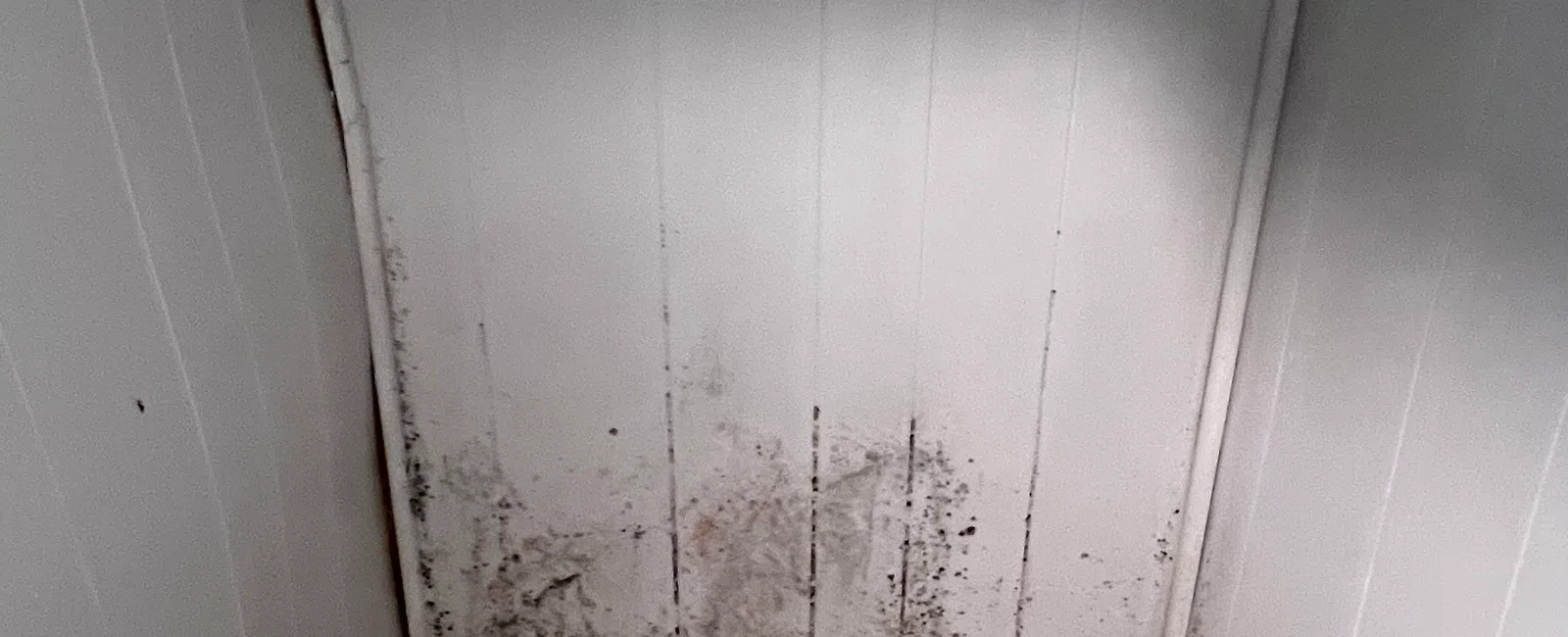
A musty basement smell after rain usually means moisture is getting in through the foundation, window wells or floor cracks and staying long enough for mold or mildew to grow. The EPA notes a moldy smell with no visible source can signal hidden mold. Find the water source, lower the humidity and have any visible growth inspected.
You head downstairs to switch over the laundry, and there it is. That damp, earthy smell that wasn't there in July. For a lot of Ann Arbor homeowners, the first real stretch of fall rain is when the basement starts announcing itself.
It happens in century-old houses in the Old West Side and Burns Park, and it happens in newer homes too. The house style changes, but the cause is usually the same: water from outside meeting a basement that can't dry out fast enough.
Here's what that smell is telling you and what to do about it.
What causes that musty smell in a basement?
That smell is usually a sign of something growing. Mold and mildew on damp materials give off the musty, earthy odor you notice. The EPA lists a building that smells moldy when you cannot see the source as one sign of hidden mold.
The smell itself isn't the problem. It's the signal. Somewhere in the basement, a material has stayed damp long enough for growth to start.
Sometimes the source is easy to spot, like a water-stained box in the corner. Often it isn't. Growth can be behind finished walls, under carpet or padding, on the back side of paneling or on wood framing near the floor.
Why does it get worse after rain?
Rain raises the moisture level around and inside your basement in a few ways at once.
First, water in the soil presses against the foundation and seeps through cracks, mortar joints and the seam where the floor meets the wall. Even when you don't see puddles, concrete and block can wick moisture through and release it into the air.
Second, window wells fill up. If a well drain is clogged or the cover is missing, water can pool against the window frame and leak in around it.
Third, humidity rises. Damp outdoor air finds its way inside, and basements are the coolest part of the house, so moisture tends to collect there.
When everything gets wetter at once, mold that was barely active can pick up again. That's why the smell often seems to switch on after a storm and fade a few dry days later.
Why do Ann Arbor basements struggle in the fall?
Southeast Michigan has humid summers, and basements soak up a lot of that moisture over June, July and August. Then fall rain arrives before the basement ever has a chance to dry out.
If your yard has heavy clay soil, it can hold water against the foundation for days after a storm. Homes in low spots tend to stay wet even longer.
Older homes add another layer. Much of the Old West Side was built between the 1860s and World War I, long before modern waterproofing. Stone and block foundations from that era tend to let moisture through more easily than a newer poured wall with drain tile.
And once the windows close for the season, the house stops airing itself out. Any moisture that comes in tends to stay in.
Where should you look for the source?
Start with your nose, then use your eyes. Walk the basement slowly and notice where the smell is strongest. Then check these common spots:
- Floor-to-wall seams, especially along the side of the house where the ground is highest
- Window wells, inside and out, for standing water, debris or rust stains on the frame
- Block or stone walls, for white chalky deposits, dark streaks or peeling paint
- Under the stairs, where storage piles up and air barely moves
- Carpet and padding, by pressing a hand flat to see if it feels cool or damp
- The back of paneling or drywall, if a section can be gently pulled away
- Around the water heater, washer and utility sink, where small leaks can go unnoticed
- Cardboard boxes, which soak up moisture and are an easy food source for mold
If the smell is strong but you can't find anything, the growth may be hidden inside a wall or under flooring. That's a good time to bring in someone with moisture meters and thermal imaging.
First steps when your basement starts to smell musty
You don't have to wait for a professional to start making progress. These first steps help right away and make any later inspection more useful.
- Find where the water is coming from. Walk outside during or right after a rain. Look for overflowing gutters, downspouts emptying next to the house and soil that slopes toward the foundation.
- Lower the humidity. Run a dehumidifier and check the level with a hygrometer. The EPA recommends keeping indoor humidity below 60 percent, ideally between 30 and 50 percent.
- Dry anything wet quickly. The EPA advises drying water-damaged materials within 24 to 48 hours. Use fans and pull wet items out of the basement if you can.
- Get stored items off the floor. Swap cardboard for plastic bins and keep them a few inches away from the walls.
- Clean small spots of surface mold. The EPA says that when the moldy area is less than about 10 square feet, you can handle the job yourself in most cases. Fix the moisture source too, or it will come back.
- Note what you find. Jot down where the smell is strongest and where you saw damp spots. It saves time if you do bring in a professional.
When should you call for a mold inspection?
Some situations are worth a professional look rather than more trial and error:
- The smell is strong and you can't find the source
- You see growth on drywall, carpet, wood framing or insulation
- The visible growth covers more than a small patch
- The smell comes back soon after you clean
- You've had a leak or flooding and aren't sure everything dried out
A visual mold inspection focuses on finding moisture and the areas it has affected. Moisture meters show how wet materials are, and thermal imaging can spot cool, damp areas behind walls. That gives you a clear picture of what's going on before you decide on next steps.
If you or someone in your home has health concerns about mold, talk with your doctor. They're the right person for those questions.
Can you stop the smell from coming back?
Usually, yes. The smell goes away for good when the moisture does.
Keep gutters clean through leaf season, extend downspouts well away from the house and make sure your sump pump is working. Keep a dehumidifier running in the basement through the damp months. And deal with any growth you find instead of covering it with air fresheners or paint. The EPA specifically advises against painting or caulking moldy surfaces.
Don't ignore the smell
A musty basement is your house telling you moisture has found a way in. If that smell showed up with this fall's rain and isn't going away, book a free visual mold inspection with Mold Medics Ann Arbor. We'll help you find the source and figure out the right fix before winter sets in.